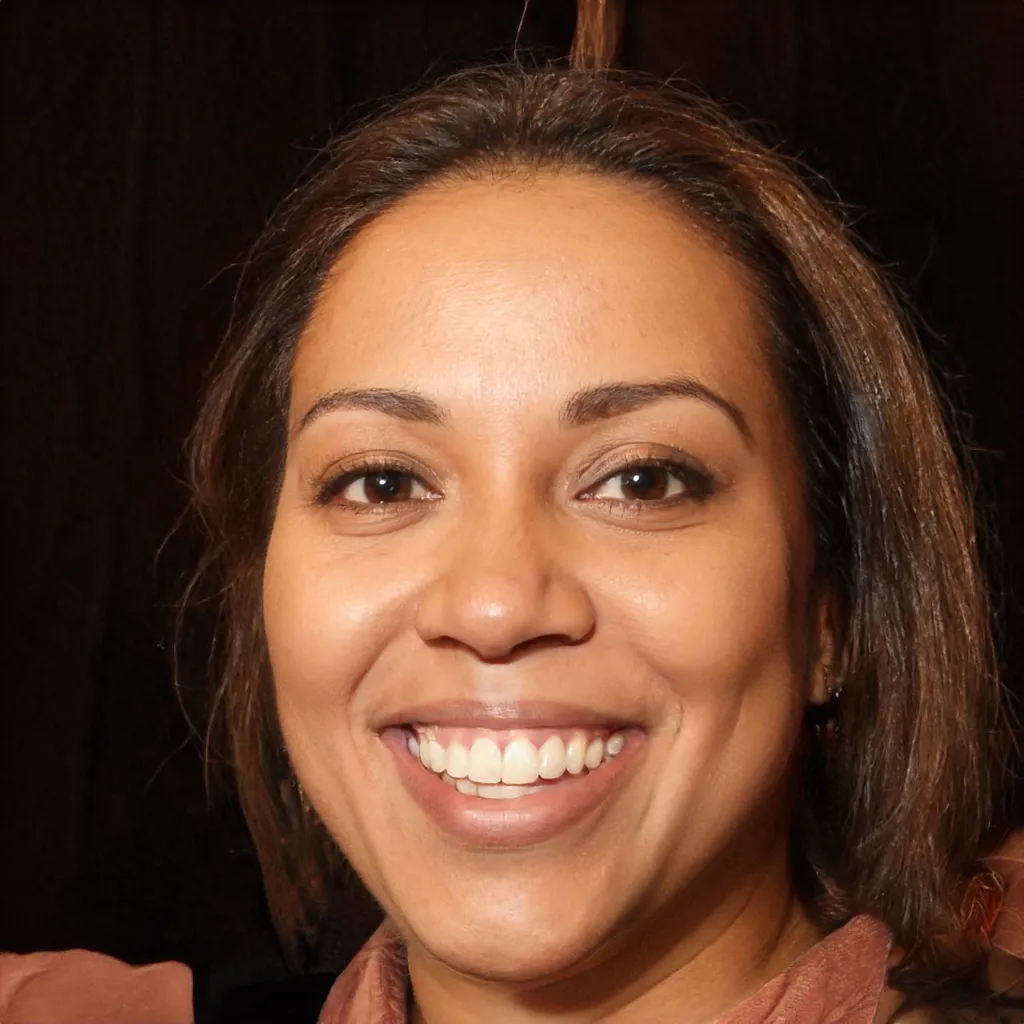
Every so often a trend produces the perfect image of itself. Here’s 2026’s: a patient walks into a cosmetic dermatologist’s office holding a picture of their own face — except it’s not a photo. It’s a version of them generated by ChatGPT, and they’d like the surgeon to make the real face match the render.
That’s not a hypothetical. It’s what clinicians are now reporting, and it’s the looksmaxxing worldview arriving at its logical destination.
What surgeons are seeing
In reporting published by ZME Science on June 8, 2026, cosmetic doctors describe a growing pattern: patients bringing AI-generated portraits of themselves to consultations and asking to be surgically edited into them. Dr. Rachel Westbay, a cosmetic dermatologist in New York, recounted a patient who arrived with — her words — “a caricature-like image with huge doll-like eyes generated by ChatGPT.”
The doll-eyes detail matters. The patient wasn’t asking to look like a specific attractive person, or even a filtered version of themselves. They were asking to look like a machine’s idea of a face — smoothed, enlarged, symmetric past the point of human. Other surgeons quoted, including reconstructive and cosmetic specialists across different practices, describe the same drift toward AI-shaped requests.
The evidence that this warps expectations
This isn’t just anecdote, and that’s what makes it a story rather than a quirk.
- A 2025 study on AI image-enhancing filters found that exposure to AI photo enhancement may significantly raise expectations for plastic-surgery outcomes — and may leave patients less satisfied afterward, because reality can’t hit a synthetic target.
- A 2024 survey from Beth Israel Deaconess Medical Center found that people who used AI to enhance their images had “significantly higher” expectations for what surgery could deliver than those who didn’t.
Read together: the AI render doesn’t just change what people want, it sets a bar physical surgery structurally cannot clear — which is a recipe for patients who get the operation and still feel like they failed.
Why this is the whole looksmaxxing story in one image
We’ve spent this series pulling apart the maxxing premise: that a face is a stack of measurable stats — a PSL number, a gonial angle, a symmetry score — and that you win by maxing them. The AI portrait is that premise made literal. If a face is just numbers, then the “perfect” face is whatever a model optimizing those numbers spits out. Of course the endpoint is a render. There’s nowhere else for “reduce beauty to math” to go.
And it closes a loop we’ve pointed at from the start. Looksmaxxing was always about the screenshot — the score you post, the before/after you share. Now the screenshot has stopped being the record of the goal and started being the goal itself. People aren’t optimizing toward a better photo of a real face; they’re optimizing a real face toward a photo that was never real to begin with.
Where we land
If you take one thing from this: an AI image of you is not a target, it’s a hallucination. It’s a model averaging its training data into something smooth and symmetric and slightly inhuman, with no obligation to be achievable, healthy, or even coherent. Surgeons can’t build it, and the research says chasing it tends to end in lower satisfaction, not higher.
The tokenmaxxing crowd already knows the rule from the other side of the screen: a model will confidently generate something that looks perfect and is quietly impossible. Turns out that’s just as true when the thing it’s generating is your face. The most optimized move is to notice the target is fake before you take it to someone with a scalpel.


