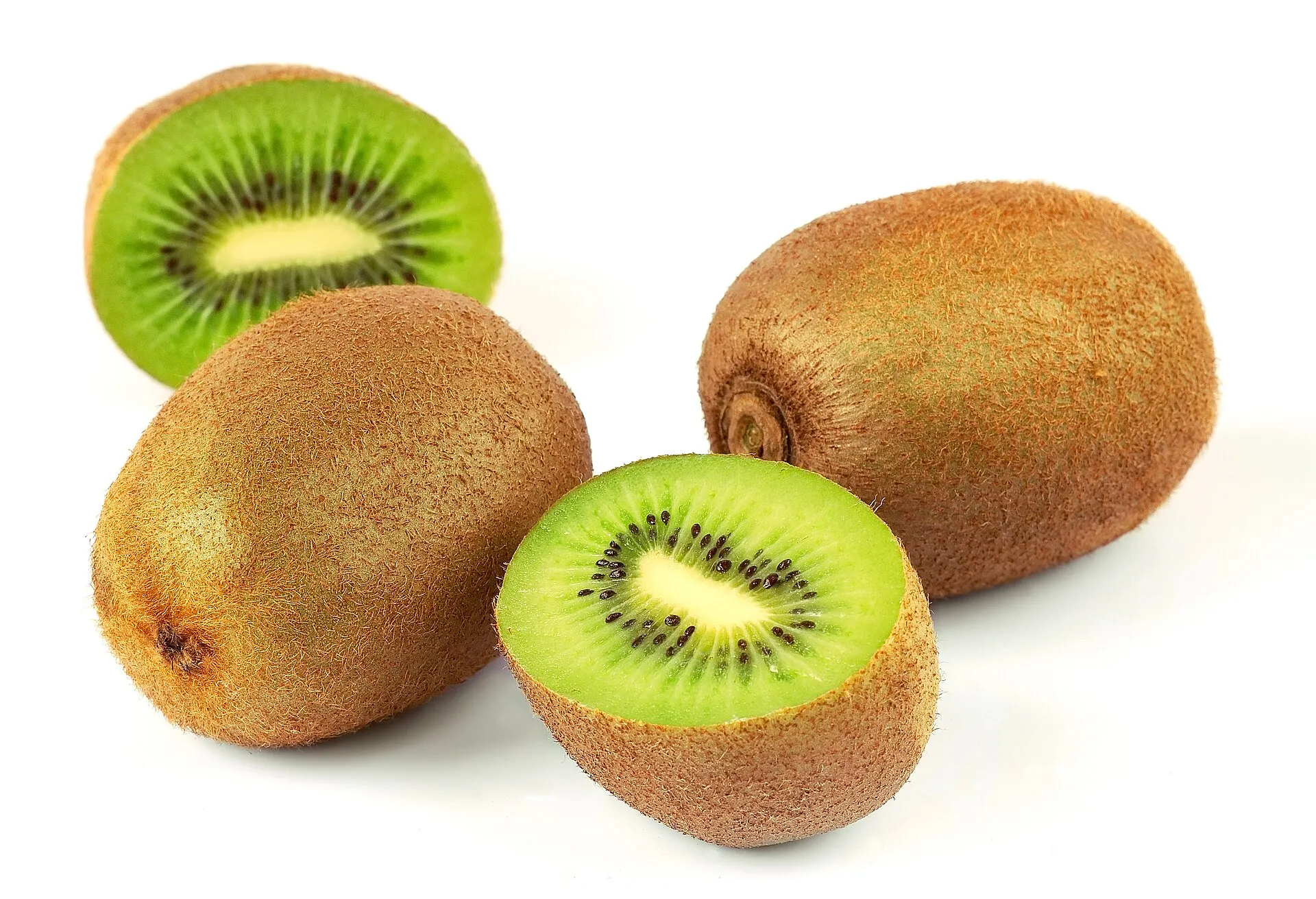
On Thursday 16 October, George Ferman — ex-PT, 1.23 million followers as @Helios_Movement — put a fruit on the board.
You need to be kiwi-maxing.
-Actinidin maxing for better protein digestion -Beats psyllium for constipation without the downsides -Mogs depression in 4 days -Mogs skincare products -Helps you fall asleep 35% faster
— George Ferman (@Helios_Movement) October 16, 2026
32,983 views. 615 likes. 431 bookmarks. That last number is the tell: seven bookmarks for every ten likes. Nobody was applauding. They were saving a shopping list.
The term moved with it. Posts saying kiwi-maxxing (any spelling, one x or two) ran at zero or one a day on X from 10 to 15 October. On 16 October: 29. By breakfast in Europe the next morning, another 11. A whole micro-genre, born on a Thursday, from a fruit that costs less than a coffee.
We checked the bullets
The signature move of this beat: when someone posts a number, go and find where it came from. Ferman’s list is better sourced than most — three of the big claims trace back to real, published trials. They are also smaller than the bullets.
“Helps you fall asleep 35% faster.” Real number. It comes from Lin et al., 2011, out of Taipei: 24 adults (2 men, 22 women) with self-reported sleep problems ate two kiwis an hour before bed for four weeks. Sleep-onset latency in their sleep diaries fell 35.4%. Total sleep time rose 13.4%. There was no control group. A later trial randomised 67 students with insomnia symptoms to kiwi or pear: kiwi won on how people felt they slept, not on the wrist-tracker data.
“Beats psyllium for constipation without the downsides.” Half right, and the right half is the interesting one. In Chey et al., 2021 (American Journal of Gastroenterology), 75 patients with chronic constipation got two green kiwis a day, 100 g of prunes or 12 g of psyllium for four weeks. On the primary endpoint, the three tied. Where kiwi pulled ahead was the second clause: fewest side effects and the lowest dissatisfaction of the three. “Without the downsides” is the defensible part. “Beats” is a draw.
“Mogs depression in 4 days.” The four days are real. The depression isn’t. It’s from the New Zealand KiwiC for Vitality trial: young adults aged 18 to 35 with low vitamin C ate two SunGold kiwis a day. A smartphone-survey analysis of 155 of them found vitality and mood improved within four days, peaking around days 14 to 16. Mood, not clinical depression — and in people who were short on vitamin C to begin with.
The digestion line points to actinidin, the protein-splitting enzyme kiwi is famous for. The skincare and gut-bacteria bullets we didn’t chase; the post doesn’t say which papers they come from. The post itself ends on a link to a paid guide.
Why this one works
Most supplement-maxxing asks you to trust a powder. This one asks you to buy fruit. The trials are small, the populations are specific, and the effect sizes got rounded up into verbs like mogs — but the direction of travel in every paper we pulled was the same as the bullet.
That’s the trend in one line: the claims are real, the numbers just come with fine print. Two kiwis a day is the rare protocol where the downside is a sticker on your counter.
Kiwi-maxxing is real. “Mogs depression” was a vitamin C top-up in Dunedin.


