The Guinness World Record for the largest sneaker collection belongs to Jordy Geller of Las Vegas: 2,388 pairs, certified in May 2012, housed in a warehouse he named the ShoeZeum. It is the most comprehensive collection of Nikes on the planet, valued at over a million dollars.
Every single pair is brand new, unworn, in its original box.
That is the sentence to sit with, because it contains the entire logic of nikemaxxing. Two thousand three hundred and eighty-eight pairs of shoes, and the collection’s value depends on none of them ever having been shoes.
Deadstock is the whole religion
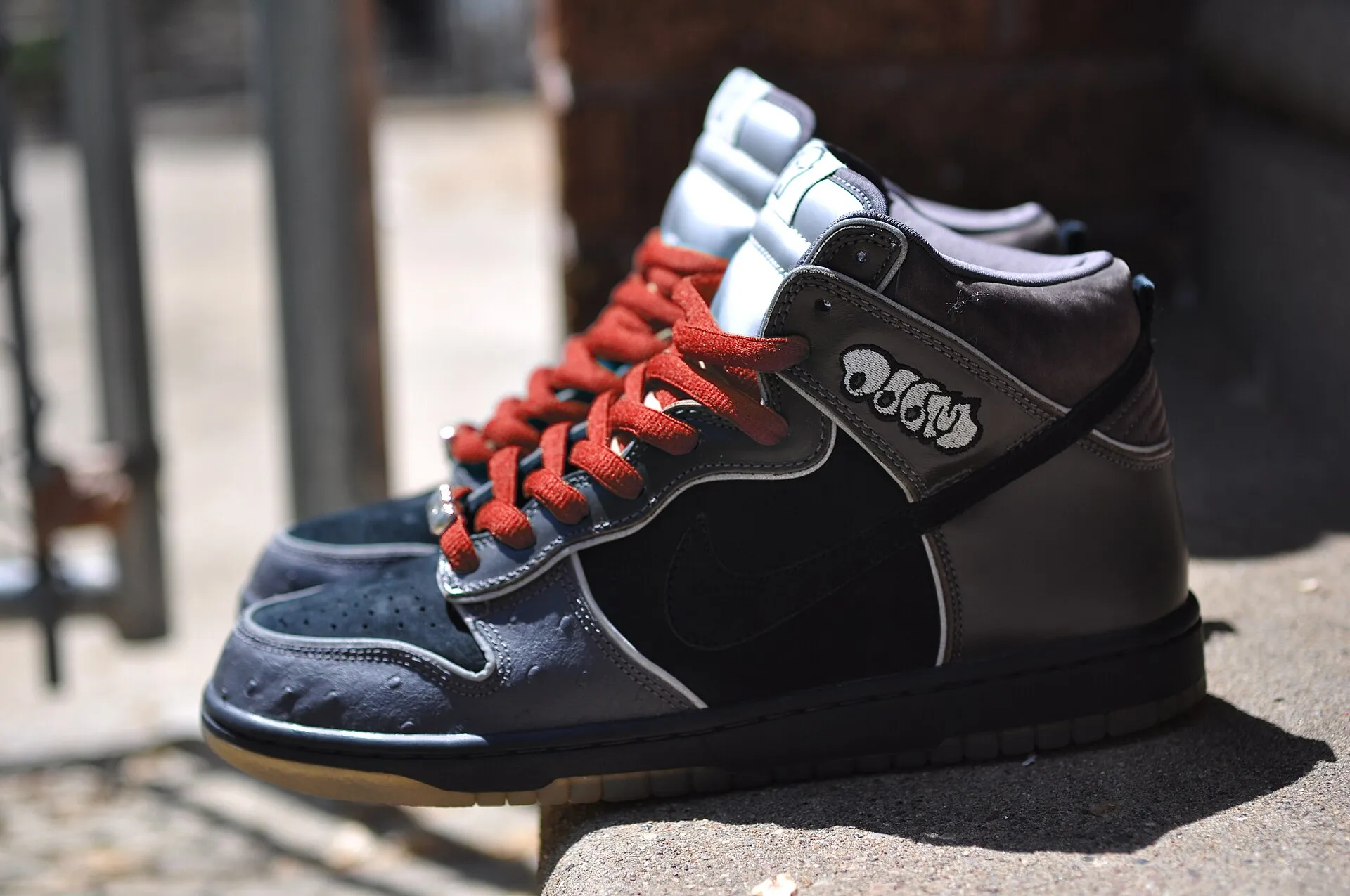
The hobby’s central term is deadstock: never worn, never laced, original box, ideally with the tissue paper still folded the way the factory folded it. It is the sneaker equivalent of a PSA 10 — a grade you can only lose.
And it produces the purest inversion in all of maxxing culture. The gym has a point: you use the body. Skincare has a point: you wear the face. Here, the object is preserved in the exact state it left the factory in — a worn Air Jordan is a shoe, an unworn one is a record of a moment in design, and the difference between them is one afternoon of walking.
Collectors know exactly how funny this is, and do it anyway, which is the correct response. Some keep two pairs of everything — a “wearer” and a “keeper.” That is a person who looked the paradox in the face and solved it by buying twice, which is frankly elegant.
Storage as a competitive discipline
Ariana, Dresden and Dakota Peters — three sisters — hold a collection of over 6,000 pairs: Air Force 1s, Air Jordans, and rare prototypes made for elite athletes and A-list celebrities. Thousands more sit off-site in a secret, high-security storage unit.
Once you’re past a certain size, the sneakers stop being the hobby and the infrastructure becomes the hobby. Humidity ruins glue. UV yellows midsoles. Polyurethane crumbles on its own schedule regardless of how carefully you treat it — a well-known heartbreak in the community, where a pair can disintegrate in the box having never been worn, having done nothing wrong. So the serious end of the practice is climate control, acid-free tissue, silica, rotation schedules and undisclosed addresses.
The maxxed stat is no longer how many or even which. It’s entropy resisted per year.
What the numbers say
The market agrees, expensively. Six game-worn Air Jordans from Michael Jordan’s six championship seasons — the “Dynasty Collection” — sold together in February 2024 for $8,032,800. A pair of 1984 Nike Air Ships, from Jordan’s rookie year, hammered at $1.472 million, the first sneakers ever to clear a million at auction. Kanye West’s Air Yeezy Grammy prototype went for $1.8 million in a 2021 private sale. A pair of 1972 handmade Nike Moon Shoes — waffle soles pressed, per the founding legend, on a breakfast iron — took $437,500 at Sotheby’s in 2019.
Note the split. The Jordan lots are worth what they’re worth because he wore them; sweat is provenance when the foot inside was famous enough. Everything else in the hobby is worth what it’s worth because nobody did.
DJ Khaled is reported to own more than 10,000 pairs, worth around $8 million — a figure that circulates widely and comes from a single retailer’s research rather than an audit, so treat it as the hobby treats it: repeated confidently, never verified.
Somewhere in Las Vegas there is a warehouse holding 2,388 pairs of pristine Nikes, and the man who assembled it got a certificate for it, and the certificate is arguably the most worn object in the entire story.


