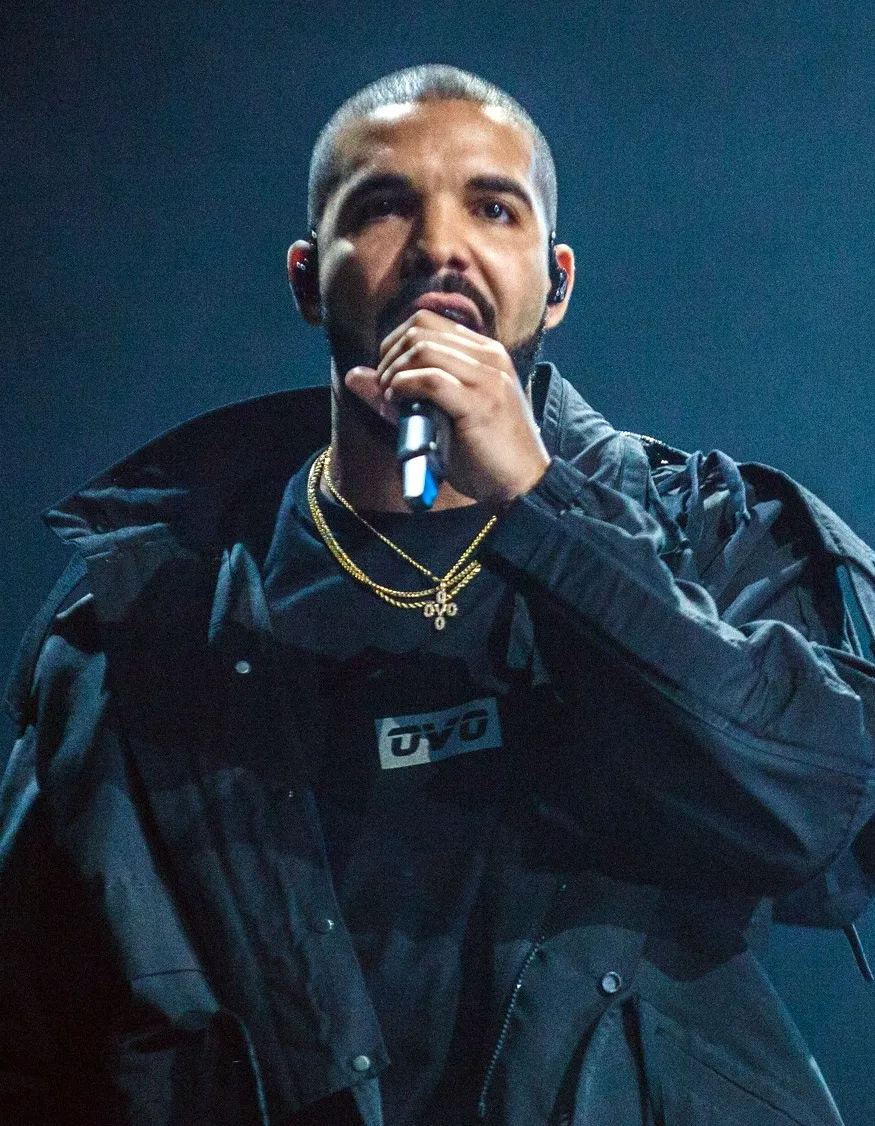
On July 6, the aggregator account Kurrco posted a clip that did 1.2 million views and 20,000 likes in about a day: a fan on Omoggle — a video chat that matches two strangers and has them rated against each other — looks up from his screen to find he’s been matched with Drake. They face off. The verdict comes back: a draw.
Complex ran it under the headline that Drake “avoids getting mogged” — and yes, that’s a music-industry trade publication using mogged unironically in a headline. HotNewHipHop covered it too. The forum vocabulary has fully crossed over; nobody even glossed the term.
What Omoggle actually is
The name tells you the whole pitch: Omegle plus mogging. It’s the roulette-chat format everyone remembers, except the point isn’t conversation — it’s a 1v1 face-rating arena. Two people, one verdict, next round. Where the PSL scale was a grim forum rubric you had to go looking for, Omoggle packages the same judgment as a party game with matchmaking.
That’s the actual news here, more than the Drake cameo. Face-rating used to be something the looksmaxxing subculture did to itself in forum threads. Now it’s a consumer app with a viral loop, and the clips it generates are legible enough that a 40-year-old A-lister can play a round and the whole internet gets the joke instantly.
The Drake of it all
The discourse under the clip split two ways, and both takes are right. One camp found it endearing — a reply that did 37k views on its own called it possibly the most self-aware thing Drake has done in years. The man has spent two years as the internet’s favourite punching bag; walking voluntarily into a face-rating arena and accepting a draw against a random fan is genuinely disarming.
The other camp noticed what his presence does: it launders the format. When the biggest rapper of his generation plays the game on camera, the game stops being a weird corner of the manosphere and becomes content. Every kid who watches that clip now knows the app exists, knows the rules, and knows that participating is normal enough for Drake.
Meanwhile, the business side
Two things went viral in the same 48 hours, and they belong in the same story. On July 5, an indie developer posted a thread explaining that he’d spent six months getting a fitness app to $10k monthly recurring revenue — then copy-pasted the same onboarding and paywall into a looksmaxxing app and hit the same $10k MRR in two weeks. The thread’s most-bookmarked line was the quiet part: once you know how to play the game, it’s easy.
Read those together and the picture is clear. The demand side is a generation raised to treat their face as a stat block — an audience we already know is not doing great under that framing. The supply side is now professionalised: growth hackers who don’t care about jawlines at all, cloning funnels into whichever anxiety converts best. And this month, looksmaxxing converts best. There’s a whole ecosystem of these apps now, and Omoggle is simply the most gamified entry yet — it skipped the self-improvement pretence entirely and went straight to the scoreboard.
Where this lands
The looksmaxxing story keeps following the same arc: forum ritual → TikTok trend → consumer product. Omoggle is the purest version so far because it doesn’t even sell you a protocol — no serums, no chin exercises, no routine. It sells the judgment itself, straight, no chaser.
Drake got a draw. The app got the best marketing week of its existence, for free, from a clip it didn’t have to make. In the attention economy, that’s not a draw — that’s a mog.


