The pitch, in Clavicular’s own launch video on July 22, is disarmingly honest: the DMs asking him for ratings had become unmanageable, so he built an app that can do it better than him. Sit with that sentence — we’ll come back to it.
The product is called Clavicular - LooksMax AI, free on the App Store with in-app purchases, and per its own listing it does three things: AI face scanning with “appearance insights” — Polymarket’s newsdesk, which covers his releases like earnings now, lists facial balance, proportions and “grooming potential” — plus meal and label scanning for calories, plus AI-suggested replies for dating and social conversations. Face, food, rizz: the full maxxing stack, one download.
Two days later, the developer behind the build posted that the app hit top 10 on the App Store on day one, adding that he couldn’t share the revenue figure because it “might be a world record.” Both numbers are the builder’s own claims and we haven’t verified them — but the App Store chart position is the checkable kind of claim, and nobody in the replies was checking it to death.
I made Clavicular’s looksmaxxing app. We hit top 10 on the App Store in the first day. I can’t share the MRR: might be a world record… [thread continues]
— Allan - App Developer (@All4nDev) July 24, 2026
The assembly line was already running
Regular readers will recognize every part of this machine. The demand: we wrote three weeks ago about Omoggle turning face-rating into a party game, and about the indie developer who cloned a fitness app into a looksmaxxing app and hit $10k MRR in two weeks. The app category was already crowded with anonymous face-raters — LooksMax AI, Handsome AI, PSL-scale scanners — grinding out downloads without a face on the box.
What was missing was the celebrity edition, and there was only ever one celebrity. Clavicular isn’t lending his name to someone else’s scanner the way athletes lend names to sneakers. He’s converting his actual daily labor — the thousands of DM ratings that made him the scene’s most-platformed figure — into software margin. It’s the most rational business decision in the world, which is exactly what makes it worth writing down: the audit we keep documenting now has a self-serve kiosk, staffed by a model trained to imitate the king.
“Better than me”
Here’s the sentence to come back to. Three days before launch, Clavicular lost an argument with the dictionary about how to spell his own vocation. Now he’s telling his audience that a machine rates faces better than he does. Between the two, the scene’s founding premise — that the forum’s trained eye, the human connoisseurship of jawlines and canthal tilts, was a form of expertise — has been quietly liquidated by its own top expert. The PSL rubric was always pseudo-science, but it was at least artisanal pseudo-science. Now it’s an API call.
The part that isn’t funny
The privacy press noticed within a day. IBTimes UK reports that the launch is fueling questions about what happens to users’ facial data — a fair question for any face-scanning app, and a sharper one here, for two reasons we’ve covered before. First, the audience: looksmaxxing’s core demographic is teenage boys, the same population clinicians spent this year worrying about — and now they’re being invited to hand a numerical judgment engine their face, their meals and their text messages, the complete anxiety surface, in one app. Second, the operator: this is a founder whose 2026 legal file we’ve already had to cover, now custodian of a biometric database.
None of that requires a conspiracy theory, and the internet is busy supplying several anyway — we’ll spare you. The boring, checkable questions are the good ones: where is the face data stored, for how long, and who trains on it. The listing doesn’t lead with answers. They tend not to.
Where this lands
Every subculture that becomes an industry eventually produces this artifact: the moment the founder stops performing the craft and starts selling the vending machine. The DMs were the craft. The app is the vending machine, and it charted in a day.
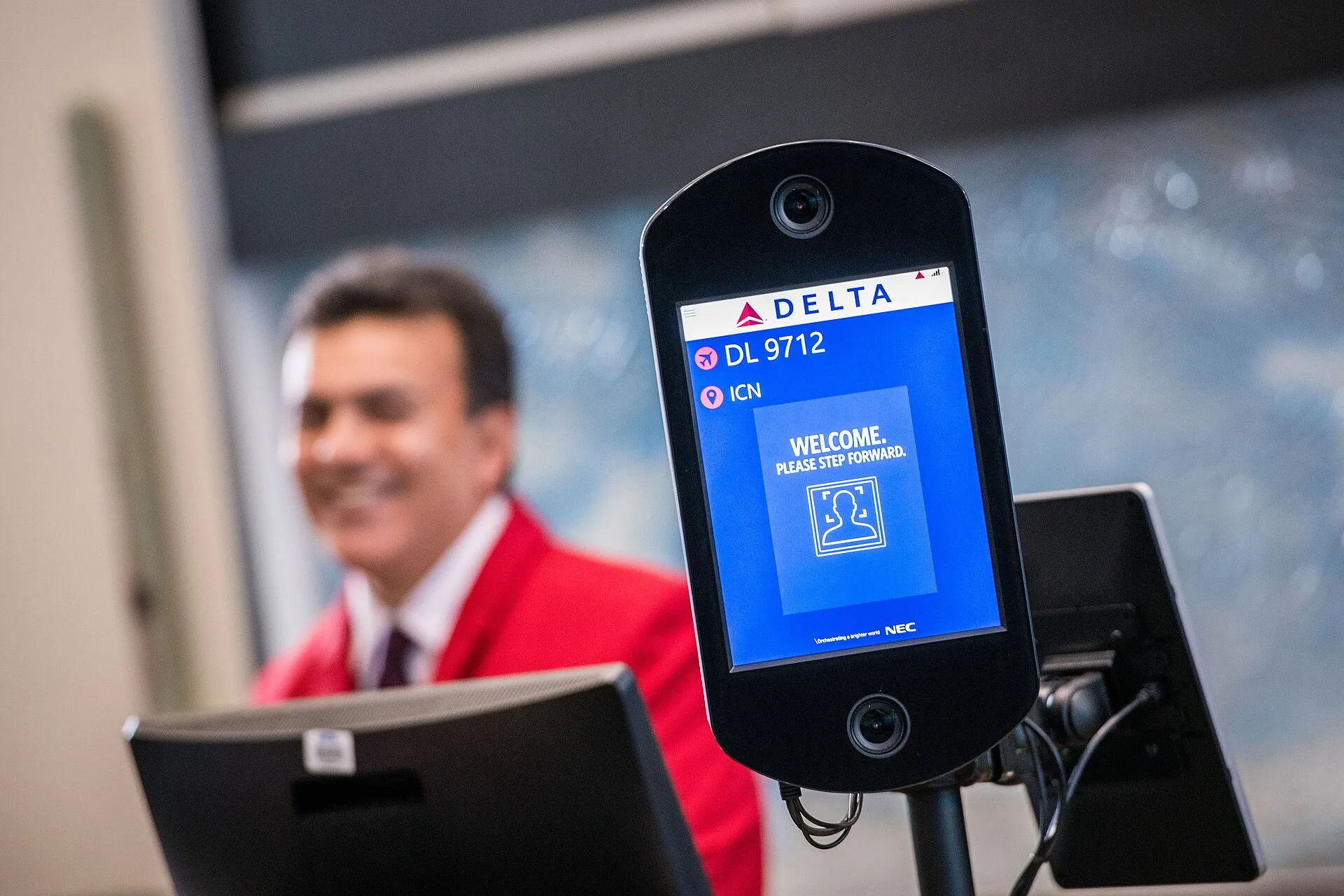
The scene wanted to be rated by the best. The best just told them a model does it better, and the model takes in-app purchases. The kiosk says welcome. Please step forward.


