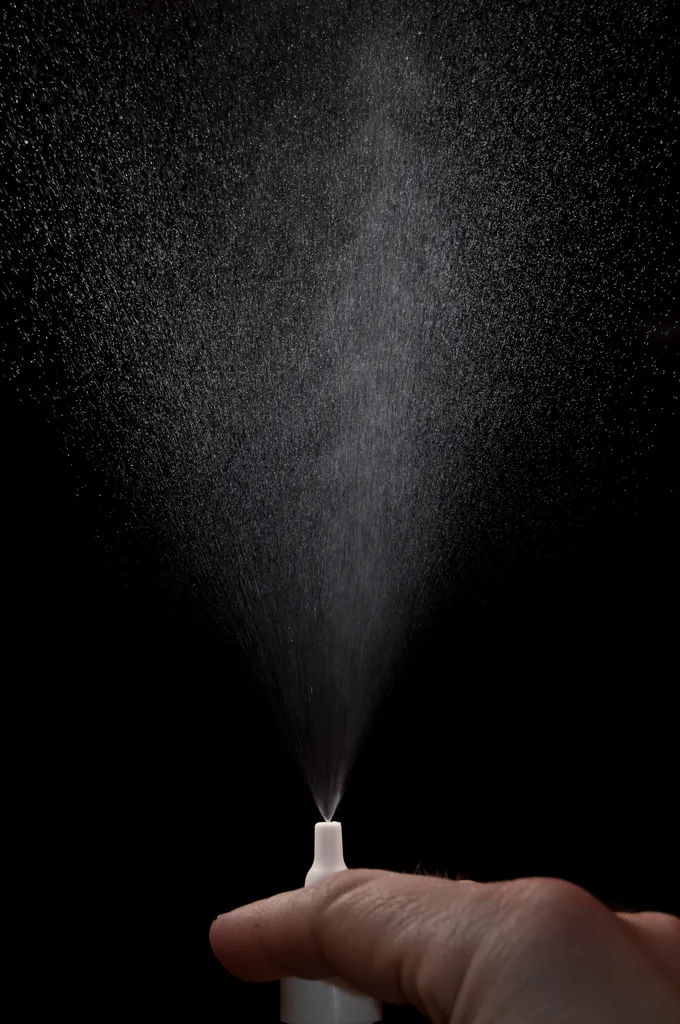
We already made the case that tanning beds are a bad trade — DNA damage now for a colour you can buy in a bottle. But tanmaxxing has an escalation, and 2026 is the year health authorities started shouting about it: melanotan — sold as “nasal tanning spray” or injectable “tanning peptides” — a genuinely illegal, unregulated drug that people are putting into their bodies to go brown without the sun.
This one isn’t a debatable maybe. Multiple national regulators have drawn a hard line.
What it is
Melanotan (usually melanotan II) is a synthetic peptide that stimulates the body’s pigment cells to produce more melanin. Marketed on TikTok and in looksmaxxing circles as a fast track to a deep tan — inject it or spray it up your nose, tan faster with “less sun” — it has become one of the more dangerous shortcuts in the space precisely because it works at the one thing it claims, which makes the harms easy to ignore.
Why regulators say no
The legal status alone should stop you: melanotan II is illegal to sell across all 50 US states, the UK and Australia. It’s unlicensed — meaning no regulator has assessed it for safety, quality or effectiveness.
- Australia’s Therapeutic Goods Administration warns bluntly against tanning products containing melanotan in any form — spray, tablet, injection or cream — and it’s prescription-only there for good reason.
- Cancer Research UK flags that melanotan injections are unregulated, that you can’t know what’s actually in the vial, and that the products have been linked to serious harm.
- Cleveland Clinic put it about as directly as a hospital can: never use nasal tanning spray.
The core problem is that this is a black-market drug with no quality control. Analyses of melanotan II products have found significant inconsistency in how much active peptide is even in each batch — you don’t know the dose, and you don’t know what else is in there, because nothing on the label is verified by anyone.
The documented harms
The reported risks are not cosmetic. Across the medical literature and regulator warnings, melanotan II has been associated with increased and changing moles and freckles, nausea and vomiting, facial flushing, kidney dysfunction, and — most alarmingly — concerns about skin cancer. Because the drug drives melanocyte activity and changes moles, dermatologists specifically worry it can mask or complicate the early detection of melanoma, the thing a tan-seeker least wants to miss.
And it shows up in real patients. A 2026 case report in the journal Life documented a 42-year-old man who self-injected melanotan II every other day for about two months and developed pigmented lesions inside his mouth — brown patches across his gums and cheeks, driven by the same melanocyte stimulation that darkens skin. In his case the oral pigmentation was benign and faded after he stopped; a separate 2025 paper went further and raised the question of whether melanotan II nasal spray could be a risk factor for mucosal melanoma. That’s an open clinical question, not a settled verdict — but “we’re publishing papers asking whether it causes mouth cancer” is not where you want your tanning method to be.
Where we land
This is the clearest tanmaxxing verdict we can give: don’t. Sunbeds are a bad trade; melanotan is a worse one — an illegal, unregulated, black-market peptide, of unknown dose and purity, that you inject or inhale, associated with kidney and skin-cancer concerns, and being scrutinised in the literature right now for exactly the harms it’s supposed to avoid.
If you want the colour, self-tanner gives it to you with zero UV, zero drugs and zero regulator warnings. There is no version of “snort an unlicensed peptide for a tan” that a doctor, in any of three countries, will sign off on. When the trend has moved from “sit under a lamp” to “inject a black-market drug,” the trend has told you exactly how far the maxxing logic will go if you let it — and this is a good place to get off.


